



Alkaline Protease hydrolysis protein
Contact Person : Gina
Phone Number : +862787537736
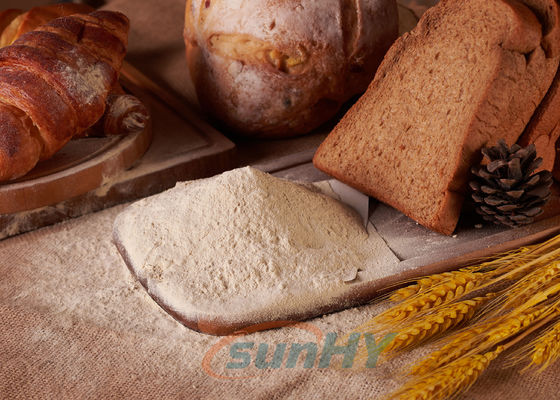
|
Detail Information |
|||
| High Enzymatic Activity: | $\ge 24,000~U/g$ Standardized Activity | Natural Bio-Source: | Derived From Non-GMO Aspergillus Oryzae Via Deep Fermentation |
|---|---|---|---|
| Enhanced Dough Elasticity: | Hydrolyzes $\alpha$-1,4-glycosidic Bonds To Soften Dough | Superior Volume & Texture: | Produces Soluble Dextrins And Maltose To Feed Yeast |
| Certified Quality Safety: | Complies With GB 1886.174-2024 And International Food Standards | ||
| Highlight: | food grade fungal α-amylase,baking enzyme TF813S,fungal α-amylase food enzyme |
||
Product Description
Fungal α-amylase TF813S
| Ingredient | Source |
|---|---|
| α- amylase | Aspergillus oryzae |
| Consuming corn starch | — |
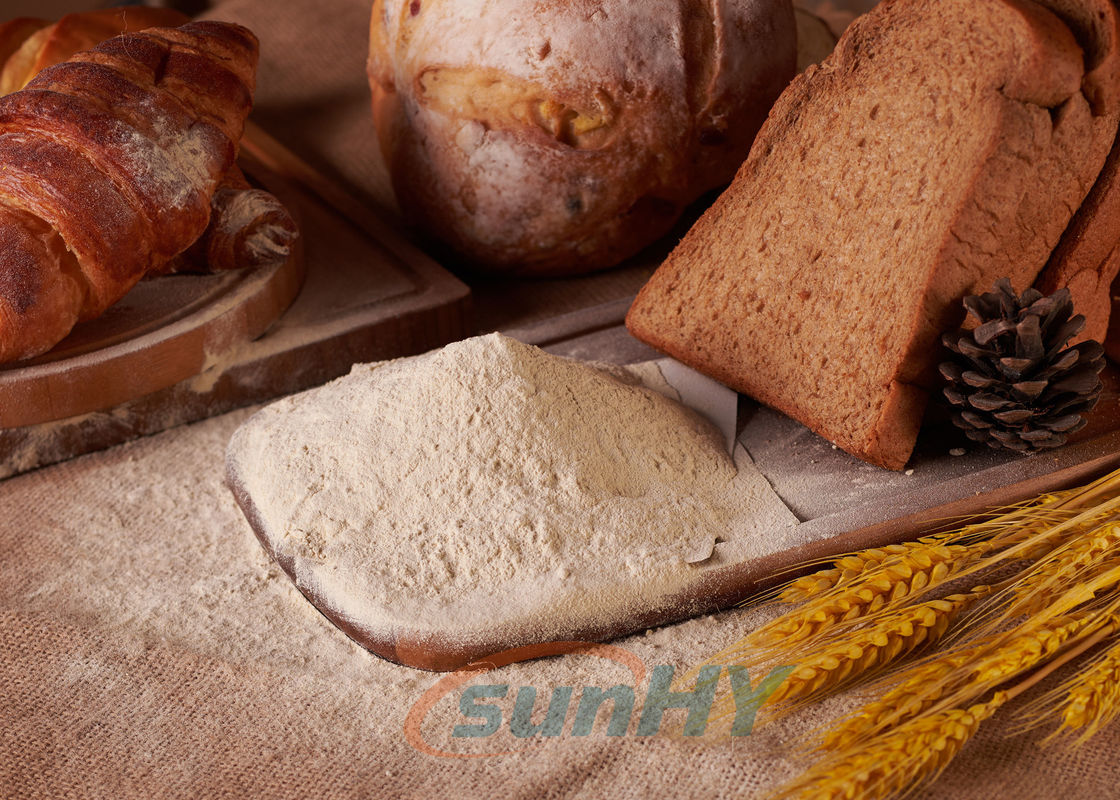
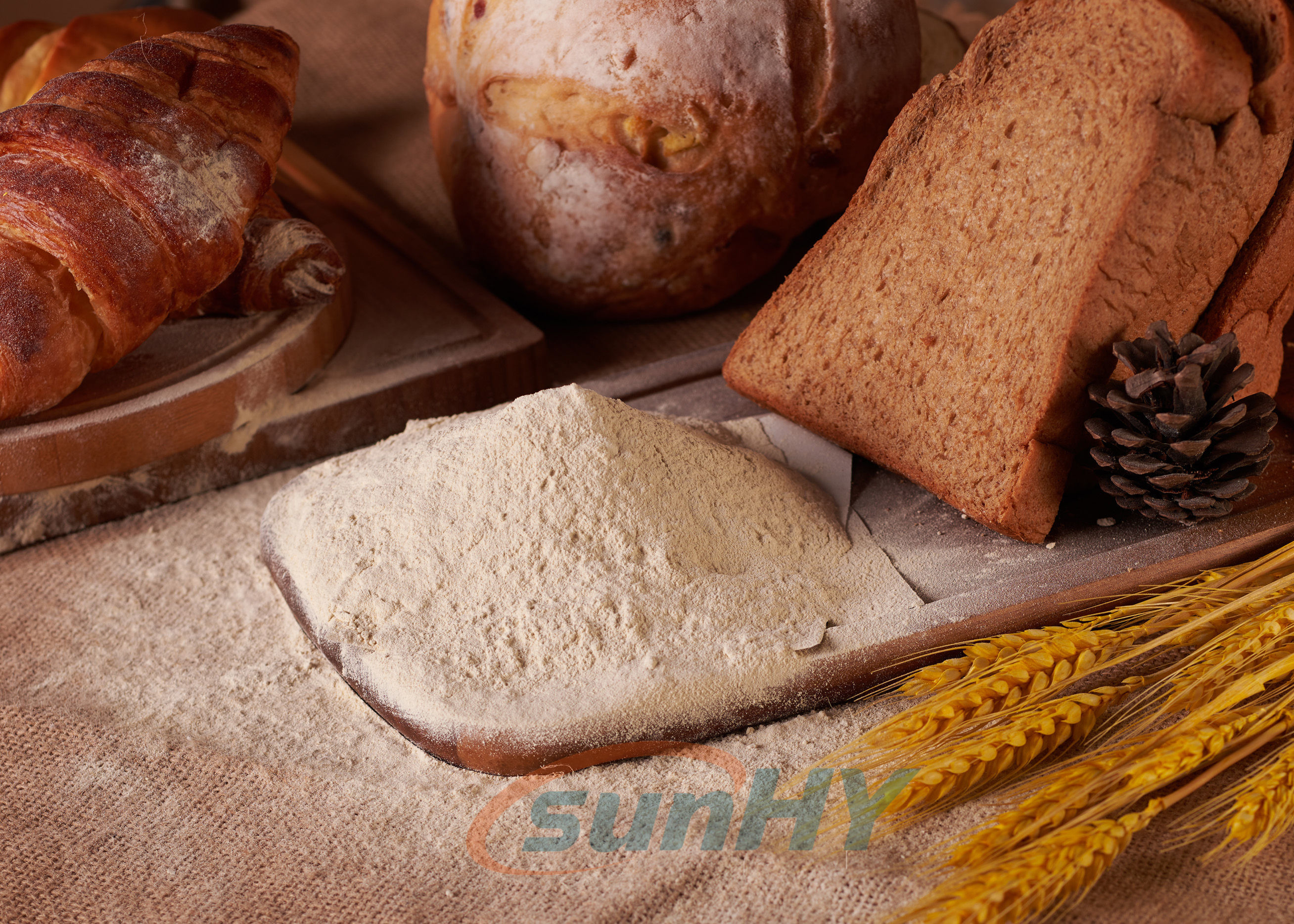
The fungal α-amylase TF813S is purified from a selected Aspergillus oryzae strain through liquid deep fermentation. It directly hydrolyzes the α-1,4-glycosidic bonds in amylose and amylopectin, producing abundant soluble dextrins, small amounts of maltose, and glucose. This provides rich nutritional sources for yeast, thereby enabling the production of larger-volume, finer-textured, and softer baked goods such as bread, pastries, and biscuits.
Fungal α-amylase activity: ≥24,000 U/g;
Appearance: Light white to grayish-white powder.
Complies with the requirements of GB 1886.174-2024 'National Food Safety Standard for Food Additives-Enzyme Preparations for Food Industry Use.
The effective pH range of the fungal α-amylase TF813S was 3.0-8.0, and the optimum pH range was 4.0-6.5.
The effective temperature range of the fungal α-amylase TF813S was 20-70℃, and the optimum temperature range was 35-55℃.
When the fungal amylase TF815S is directly added to the processing of bread, pastries, biscuits, and baked goods, the dextrin and maltose it produces serve as abundant nutrient sources for yeast, thereby yielding bread with larger volume, finer texture, and greater softness.
Fermented dough products and baked goods.
The recommended dosage is 1–10 ppm (0.1–1 g per 100 kg of flour). Due to variations in flour processing degree and production techniques, users should determine the optimal dosage based on actual usage conditions.
Add directly or after dissolving in water to the flour and mix thoroughly.
Store in a cool, ventilated, and dry place below 25°C, avoiding direct sunlight and prolonged exposure to external environments. If a cold storage facility is available, it is recommended to store at 0°C–10°C to extend the product's shelf life.
12 months.
Enter Your Message
| Sunhy Trading (Wuhan) Co., Ltd. |
| 3rd Floor, Building 28, Hi-tech Bio-agricultural Park Service Area (II), 888 Gaoxin Ave., East Lake High-tech Development Zone, Wuhan City, Hubei Province, China |
| 86-27-8753-7736 |
| overseasale@sunhy.com |